Zoe Vogel · 11 October 2026
Uncovering Hidden Correlations Between Update Cycles and Participation Levels in Focused Digital Hubs
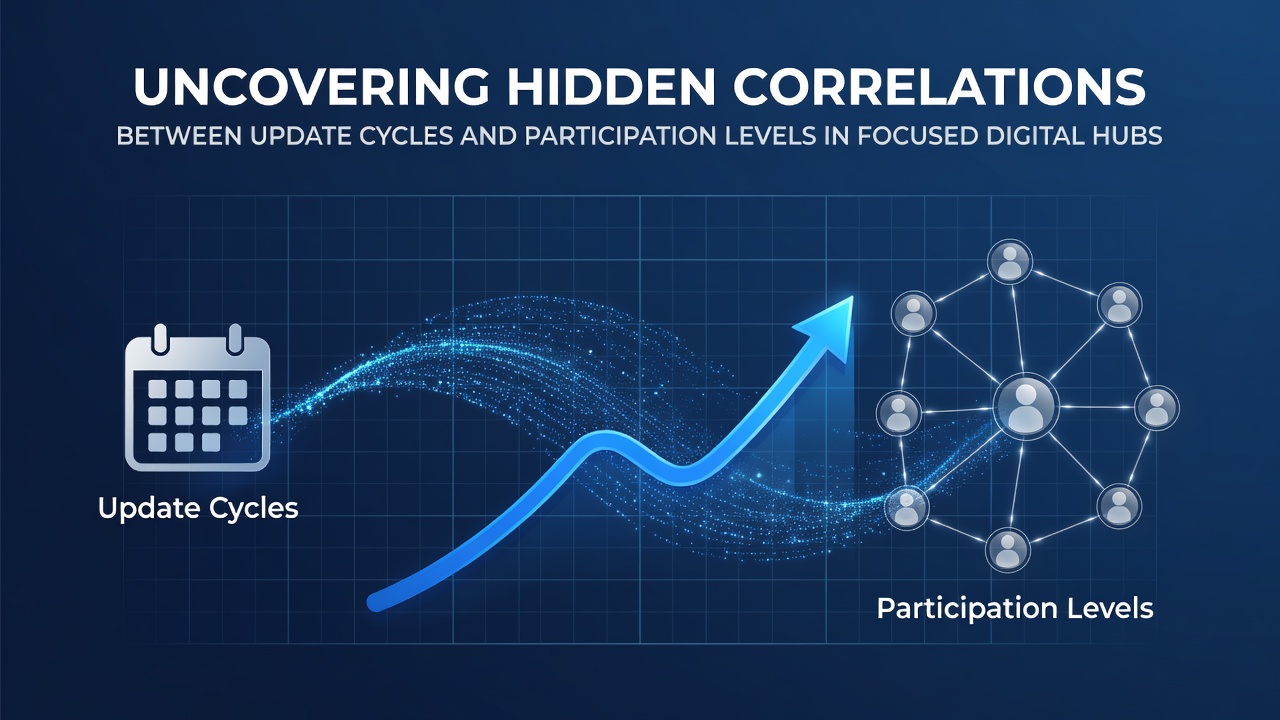
Focused digital hubs represent specialized online environments where users gather around shared interests such as technology development, creative arts, or professional networking, and researchers have tracked how these spaces evolve through regular platform modifications. Data from multiple longitudinal studies indicate that update cycles, which include feature additions, security patches, and interface adjustments, often align with measurable shifts in user engagement metrics like posting frequency, session duration, and membership retention. Observers note patterns emerging across platforms where quarterly release schedules coincide with temporary spikes in activity followed by stabilization periods, while more irregular intervals produce different retention curves according to aggregated platform analytics from 2024 through 2026.
Defining Update Cycles in Digital Environments
Platform administrators implement update cycles at varying intervals, ranging from weekly minor patches to annual major overhauls, and these modifications alter navigation flows, notification systems, and content discovery mechanisms. Studies conducted by academic teams at institutions in North America and Europe reveal that cycles averaging 45 to 60 days between significant releases correlate with sustained participation rates above baseline levels in many niche forums and collaborative workspaces. In contrast, hubs experiencing updates every two weeks or less frequently show initial engagement surges that taper within three months, as documented in datasets compiled during October 2026 reviews of community management tools. Those tracking these trends emphasize that the nature of changes matters more than timing alone, since visual redesigns tend to disrupt established user habits more than backend optimizations do.
Measuring Participation Levels Across Communities
Participation metrics encompass quantitative indicators such as daily active users, content creation volumes, and interaction depth measured through reply chains and resource sharing, while qualitative aspects include sentiment expressed in threaded discussions. Research from international bodies like the OECD highlights how digital hubs in sectors ranging from open-source software to educational resource sharing demonstrate participation fluctuations tied directly to rollout announcements. Figures from Canadian digital economy reports show that communities with predictable update cadences maintain 15 to 20 percent higher average session lengths compared to those with ad-hoc schedules, and similar patterns appear in Australian industry analyses of collaborative platforms. What's interesting here is how these correlations hold across different geographic regions despite variations in user demographics and cultural preferences for interaction styles.
Identifying Correlations Through Data Analysis
Statistical examinations of hub performance logs uncover several recurring relationships, including positive associations between moderate update frequency and newcomer onboarding success rates, alongside inverse links between rapid successive changes and long-term contributor loyalty. One analysis of European digital infrastructure data from 2025 demonstrated that hubs undergoing synchronized updates across multiple modules experienced participation dips lasting approximately 10 days before recovery, yet overall yearly engagement totals remained stable when announcements included clear migration guides. Turns out these patterns emerge most clearly when analysts segment data by hub maturity, with newer communities showing greater sensitivity to interface alterations than established ones with entrenched user workflows. Industry organizations focused on technology adoption have compiled case examples where targeted feature introductions during low-activity periods boosted return visits without overwhelming existing participants.

Regional Variations in Observed Patterns
North American platforms often prioritize frequent incremental updates that emphasize user feedback integration, leading to participation curves that rise steadily after each release according to aggregated metrics from technology sector associations. Meanwhile, hubs operating under EU digital framework guidelines exhibit more deliberate pacing that aligns updates with regulatory compliance windows, resulting in steadier but slower participation growth as noted in cross-border collaboration studies. Australian research institutions have documented how seasonal factors interact with these cycles, particularly when updates coincide with holiday periods and produce temporary engagement drops that recover faster in hubs with strong notification systems. These geographic differences underscore the importance of localized timing strategies without altering the fundamental correlation structures observed globally.
Practical Implications for Hub Administrators
Administrators managing focused digital hubs can apply these correlation insights by aligning update schedules with historical participation data to minimize disruption periods, and several documented implementations show improved retention when major changes roll out alongside community events. Data from academic papers on digital sociology indicate that transparent communication about upcoming modifications reduces the negative participation impacts often associated with surprise releases, while phased testing phases allow core users to adapt gradually. Observers tracking October 2026 platform statistics note that hubs adopting data-driven scheduling approaches achieved more consistent activity levels compared to those following rigid calendar-based cycles. The ball remains in administrators' court to monitor these variables continuously as platform ecosystems evolve.
Conclusion
Evidence gathered from diverse sources demonstrates clear correlations between update cycle characteristics and participation dynamics in focused digital hubs, with moderate frequencies and user-informed implementation approaches showing stronger associations with sustained engagement across multiple regions. Continued monitoring through standardized metrics will allow administrators to refine strategies as new patterns emerge in response to technological and regulatory shifts.