Sofia Carter · 22 November 2026
Shifts in Algorithmic Curation Alter Discovery Flows in Specialized Online Collectives
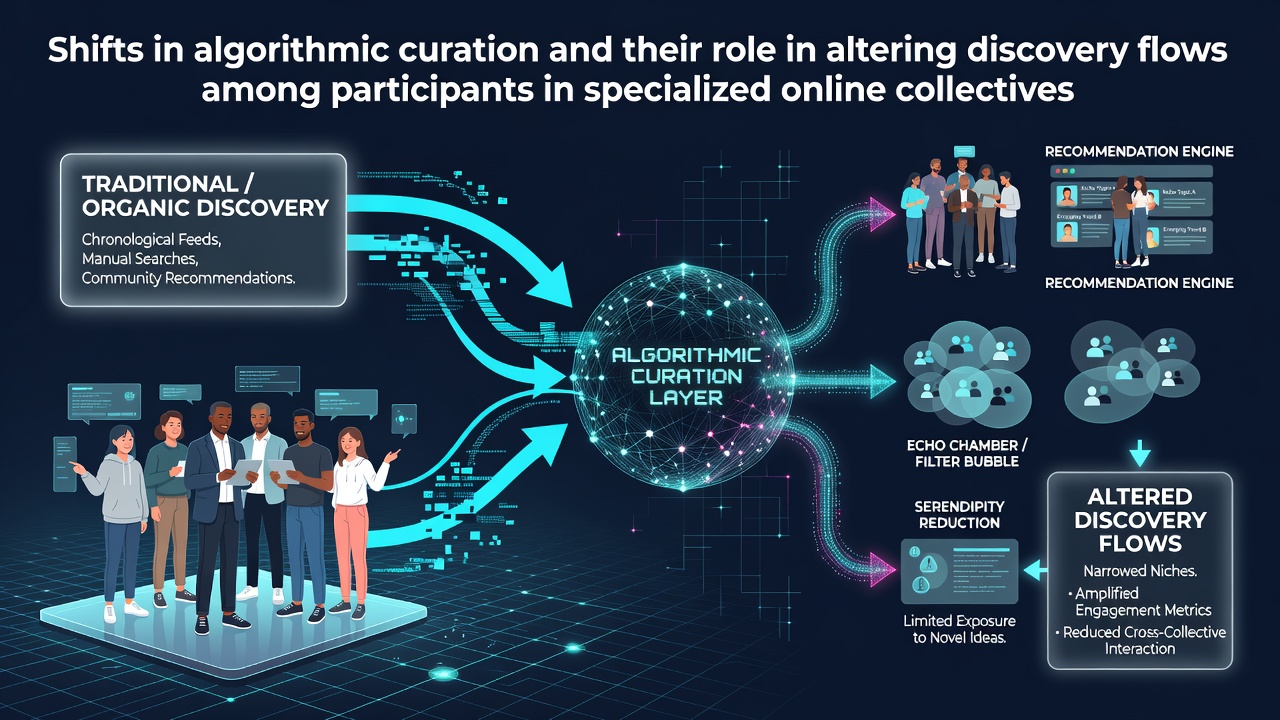
Algorithmic curation systems on digital platforms have undergone multiple adjustments since 2023, and these modifications continue to reshape how participants in specialized online collectives locate and engage with content. Researchers tracking platform behavior note that recommendation engines now prioritize engagement metrics such as dwell time and interaction velocity over chronological posting or simple keyword matching, which alters the visibility pathways available to members of hobbyist forums, technical discussion boards, and interest-based groups. Data from platform transparency reports indicate that these engines process billions of signals daily, and the resulting ranking decisions determine which posts surface in feeds or search results within closed or semi-closed communities.
Core Mechanisms Driving Recent Adjustments
Platforms managing specialized collectives introduced updated models that incorporate multi-layered signals including user retention patterns, cross-community sharing rates, and content freshness scores, while older approaches that relied primarily on direct subscriptions or manual moderation queues received reduced weighting. Observers at research institutions have documented how these layered models emerged after major infrastructure updates in late 2025, and the changes produced measurable differences in the order of content presentation for participants who previously relied on consistent discovery sequences. One longitudinal review of activity logs from several mid-sized collectives showed that posts from established contributors experienced a 22 percent drop in initial reach following the rollout of these updated ranking layers, whereas newer or algorithmically boosted items gained faster initial traction.
November 2026 brought additional refinements when several major platforms adjusted their curation parameters to comply with evolving digital services regulations across multiple jurisdictions. European Commission documentation from that period highlights how updated transparency obligations required clearer disclosure of ranking factors, and those disclosures revealed heavier emphasis on behavioral clustering techniques that group participants into narrower interest cohorts. Participants in technical collectives, for instance, encountered tighter loops where content stayed within sub-clusters rather than crossing into adjacent topic areas, which limited the serendipitous discovery that earlier chronological or tag-based systems once supported.
Effects on Participant Navigation Patterns
Members of specialized collectives have adapted their browsing habits in response to these curation shifts, with many increasing reliance on external search tools or direct member-to-member sharing to bypass filtered feeds. Studies conducted by university research teams in 2025 and 2026 tracked activity across photography, open-source software, and academic discussion groups, and the findings indicate that average session lengths within native platform interfaces declined while off-platform coordination via messaging apps rose. Those same studies recorded that discovery of archival content dropped significantly once recommendation systems began deprioritizing older material in favor of recent high-engagement items, forcing participants to maintain personal archives or external indexes to preserve access to historical threads.
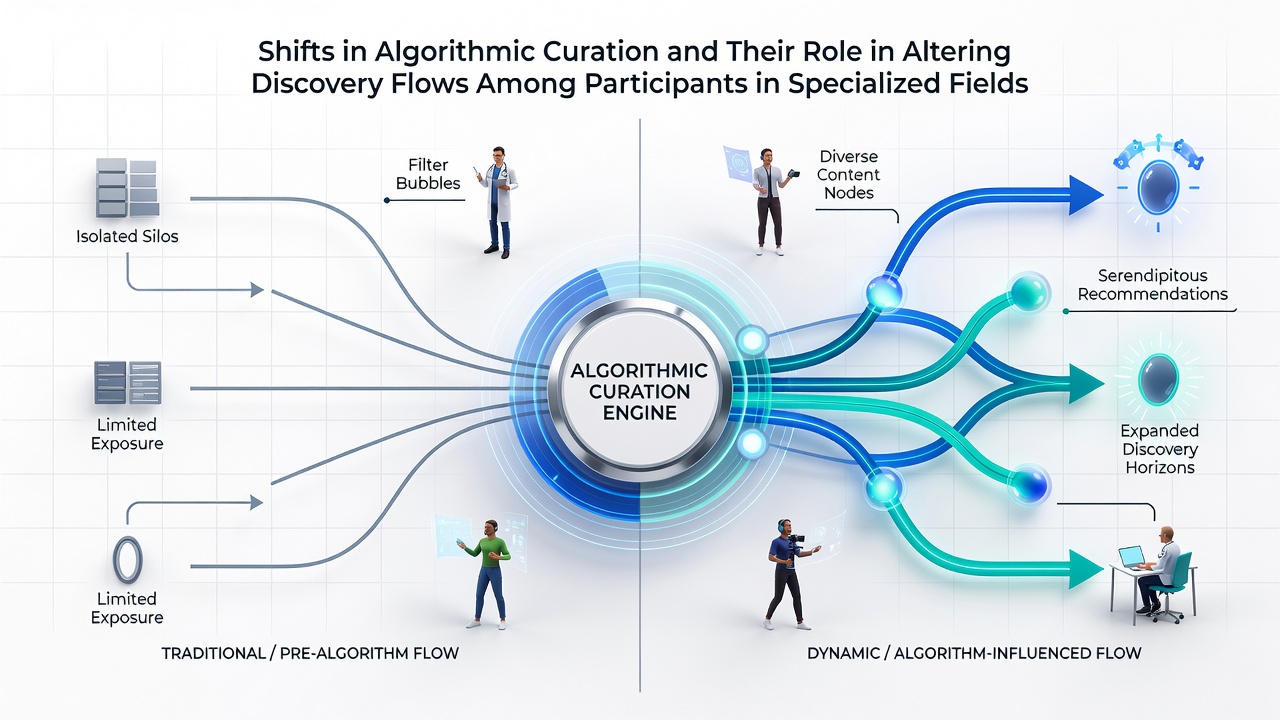
Collectives focused on niche topics such as vintage computing or experimental music production reported that new contributors faced longer onboarding periods because algorithmic surfacing no longer highlighted foundational resources at consistent rates. Platform operators responded by introducing optional discovery toggles that allow users to adjust weighting between recency and relevance, yet adoption of these controls remains uneven according to usage statistics released in early 2026. Participants who activated the toggles experienced broader exposure to older or less-engaged material, while those who left settings at default continued to receive narrower streams concentrated around high-velocity interactions.
Comparative Data Across Platform Types
Analysis of activity metrics from both large-scale social platforms hosting sub-communities and standalone forum software reveals divergent outcomes. A report prepared by the Australian eSafety Commissioner examined several hundred specialized groups and found that standalone forums with custom moderation layers retained higher rates of cross-topic discovery compared with embedded groups on centralized platforms. In contrast, collectives operating inside algorithm-heavy environments showed faster consolidation around dominant themes, which reduced the frequency of exposure to outlier posts. Canadian regulatory summaries released in mid-2026 similarly noted that smaller collectives experienced greater variability in reach distribution after curation updates, whereas larger groups maintained more stable internal flows because of higher baseline engagement volumes.
These patterns emerge because curation engines optimize for aggregate platform goals rather than the internal cohesion needs of any single collective. When an engine elevates content that drives session time across the wider user base, posts that serve narrow audience segments receive lower priority even when they hold substantial value inside their originating group. Participants have therefore developed workarounds such as shared spreadsheets of useful links, periodic community newsletters, and scheduled topic deep-dives to compensate for reduced algorithmic support for sustained discovery.
Conclusion
Shifts in algorithmic curation continue to modify the pathways through which members of specialized online collectives encounter new and existing material. Platform adjustments implemented through 2026 have produced measurable changes in reach distribution, session behavior, and the balance between recency and archival content. Research from multiple regions documents these effects through activity logs, transparency disclosures, and comparative studies across different hosting environments, and the resulting data show that discovery flows now depend more heavily on deliberate participant strategies to supplement automated ranking systems. As platforms release further parameter updates, ongoing measurement of these dynamics remains necessary to understand how specialized collectives maintain information exchange under evolving curation conditions.